Target Embroidery Design Review
As an experienced embroidery designer, I often look for machine embroidery designs that offer both visual appeal and practicality for boutique apparel and custom apparel projects. The Target embroidery design from Creative Fabrica caught my attention as a versatile option for adding personality to fabric. This review explores how Target performs on various garments and materials, and whether it’s a smart choice for small shop product, handmade product, or commercial embroidery efforts.
First Impressions of Target
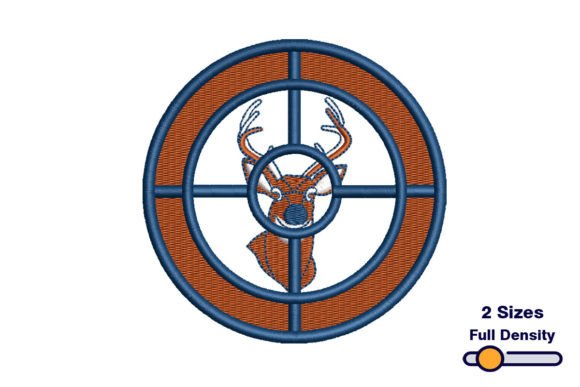
The Target design has a clean, modern aesthetic that feels both playful and professional. It carries a subtle sense of boldness without being overwhelming, making it suitable for a wide range of styles—from casual t-shirts to more refined sweatshirt embroidery. The stitching mood is balanced, with enough detail to stand out on neutral fabrics but not so intricate that it becomes visually cluttered.
From a decorative strength perspective, Target works well as a focal point on larger surfaces like hoodie chest placement or back designs. Its visual personality leans toward minimal and trendy, which makes it ideal for contemporary boutique brand collections. Whether used on pastel hoodies, dark apparel, or oversized garments, the design maintains its clarity and impact.
Performance on Different Garments
Target excels in sweatshirt embroidery and hoodie design, especially when placed on the chest or back. Its dimensions make it easy to fit within standard hoop sizes, and the stitch density is manageable for most embroidery machines. On t-shirts, it adds a subtle yet distinctive touch, while on denim jackets, it can serve as a standout feature without overpowering the fabric texture.
For tote bag design, Target offers a simple yet effective way to elevate a basic accessory into a lifestyle product. As a printable mockup, it can be easily integrated into Etsy listings or social media graphics, helping to showcase the finished product before production. When used on cozy seasonal outfits, the design brings a sense of fun and personality that aligns with handmade product aesthetics.
Where to Use Target Carefully
While Target is generally versatile, there are certain scenarios where caution is advised. For example, on small chest placement, the design may appear too large or disproportionate if not scaled appropriately. Dense stitch areas could cause puckering on stretchy fabric or fleece, so using the right stabilizer is essential.
On ribbed fabric or curved surfaces, the design may require extra care to ensure even stitching. Tiny lettering, if present, should be tested on similar garment fabric to confirm visibility. Areas that may stretch or wrinkle also need attention, as the embroidery could lose its shape over time if not properly secured.
Impact on Apparel Value and Brand Identity
Using Target on boutique merchandise can enhance the perceived value of a product. A well-chosen embroidery design contributes to brand identity by reinforcing the visual language of a small clothing brand. It also builds buyer trust through consistent presentation and professional appearance.
In terms of product recognition, Target offers a unique yet accessible element that can help differentiate a collection from competitors. For commercial embroidery projects, it provides a reliable option that balances creativity with practicality. When used across multiple items—like t-shirts, sweatshirts, and tote bags—it creates visual consistency that strengthens customer engagement.
Practical Designer Notes
Before finalizing any project, I always recommend testing Target on scrap fabric to evaluate how it interacts with different thread colors and fabric textures. Checking stabilizer choice is crucial, especially for stretchy or delicate materials. Confirming the hoop size and stitch density ensures that the design will fit your machine and produce clean results.
It’s also wise to compare placement options to determine the best fit for each garment. While the product description mentions that Target is a quick and easy way to add personality, it’s important to verify specific details like file formats, machine compatibility, and licensing before selling finished apparel. These factors can significantly impact the success of a small shop product or Etsy seller offering.
Conclusion
The Target embroidery design is a solid choice for creative entrepreneurs looking to add a touch of personality to their custom apparel. Its clean lines and modern feel make it adaptable for various styles and materials. With proper testing and consideration, it can enhance the visual appeal of sweatshirt embroidery, hoodie design, and other boutique merchandise.